There is a silent fatigue that lives beneath today’s fast-paced lifestyle. It doesn’t always shout through disease—it whispers through low energy, disturbed sleep, dull skin, and a mind that never truely rests.
As a Panchkarma therapist, I often see people who are not “ill” in the clinical sense, yet they are far from vibrant. This is where Panchkarma begins its story—not as a treatment, but as a return.
What is Panchkarma?
In the classical science of Ayurveda, Panchkarma is described as a five-fold purification therapy designed to cleanse the body of accumulated toxins (ama) and restore balance to the three doshas—Vata, Pitta, and Kapha. But beyond the textbook definition, Panchkarma is a deeply transformative journey. It is less about removing disease and more about rediscovering harmony.
The word itself breaks into two—Pancha (five) and Karma (actions). These five processes include:
Vamana (therapeutic emesis)
Virechana (purgation therapy)
Basti (medicated enemas)
Nasya (nasal cleansing)
Raktamokshana (blood purification)
Each therapy is chosen carefully, based on an individual’s constitution and imbalance.
The Journey, Not Just the Treatment
Panchkarma is not a one-day detox trend—it is a structured process with three stages:
1. Purva Karma (Preparation):
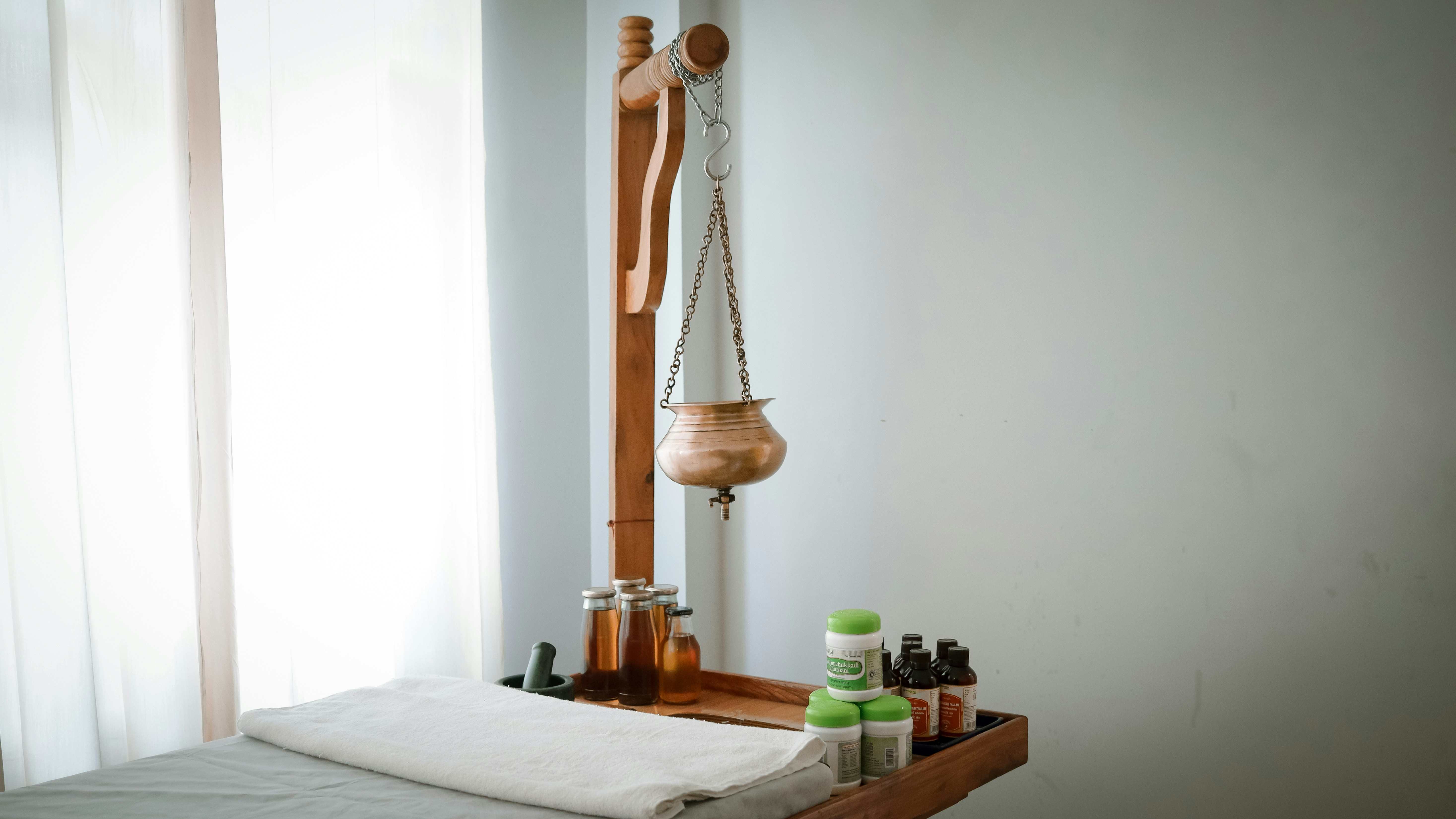
The body is gently prepared through oil massages (Abhyanga) and steam therapy (Swedana). This phase loosens toxins stored deep within tissues.
2. Pradhana Karma (Main Detox):
The selected Panchkarma therapies are administered. This is where actual elimination happens.
3. Paschat Karma (Rejuvenation):
A carefully designed diet and lifestyle routine rebuild strength, digestion, and immunity.
As an author, I see this as a metaphor for life—before letting go, we must soften; during release, we must trust; after cleansing, we must rebuild with awareness.
Why Panchkarma Matters Today?
Modern living constantly exposes us to processed food, stress, pollution, and irregular routines. Over time, these create subtle imbalances that manifest as:
Chronic fatigue
Digestive disturbances
Hormonal imbalance
Skin issues
Mental fog and anxiety
Panchkarma works at the root level. It doesn’t suppress symptoms—it clears the pathways through which health naturally flows.
Beyond the Physical Body
One of the most profound aspects of Panchkarma is its effect on the mind. During therapy, emotions may surface, sleep patterns change, and a sense of lightness emerges—not just in the body, but in thoughts.
This is because, according to Ayurveda, toxins are not only physical. Unprocessed emotions, stress, and mental clutter also create ama. Panchkarma gently clears both.
A Return to Simplicity-
After completing Panchkarma, people often say the same thing: “I feel like myself again.” Not a new version, not an improved version—but the original, balanced self that was always there beneath the layers.
And perhaps that is the true essence of Panchkarma. It does not add anything new to you. It simply removes what you are not.
If yoga is the path of union, Panchkarma is the path of cleansing that prepares you to walk it fully. In a world constantly asking you to become more, Panchkarma softly reminds you to release—and in that release, rediscover your natural state of wellness.