Panchakarma is a traditional cleansing and rejuvenation approach from Ayurveda. It is designed to support overall health by combining purification therapies with dietary guidance, herbal preparations, massage, and lifestyle practices under professional supervision. While many people report benefits such as relaxation and improved well-being, scientific evidence for many of its claimed medical effects is still limited.
Panchakarma and Lifestyle Support
Panchakarma emphasizes adopting healthy daily habits alongside the therapies. Key lifestyle aspects include:
- Balanced Diet: Eating fresh, seasonal, and easily digestible foods before, during, and after treatment.
- Daily Routine (Dinacharya): Following consistent habits such as waking early, regular meals, adequate sleep, and personal hygiene.
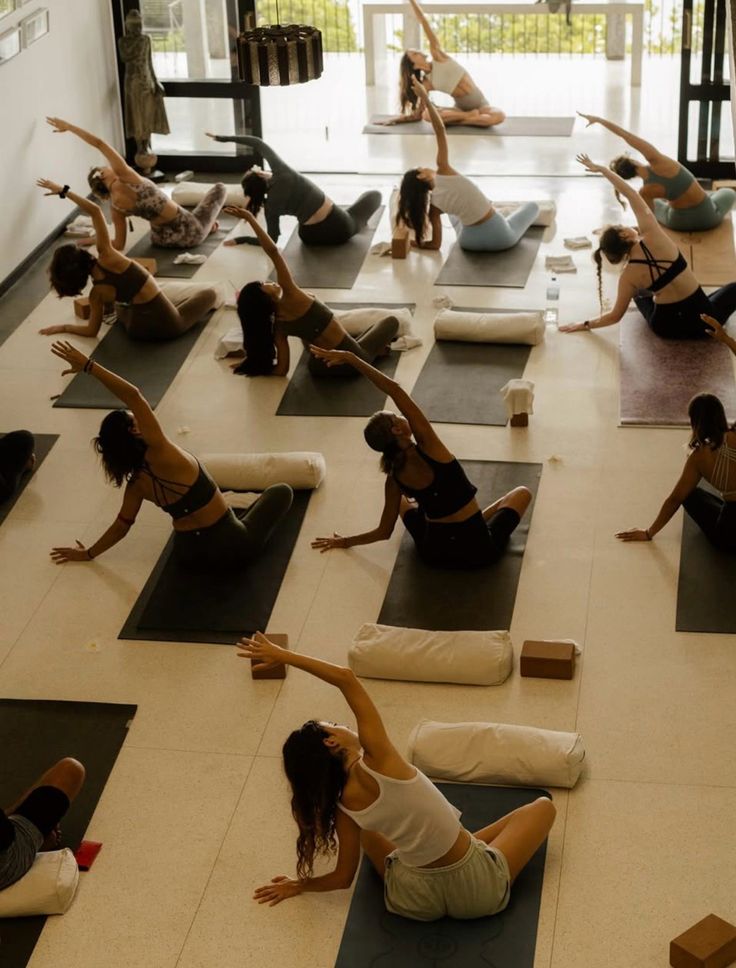
- Stress Management: Incorporating meditation, yoga, and breathing exercises (pranayama) to support mental well-being.
- Physical Activity: Gentle exercise, stretching, or yoga to maintain flexibility and circulation.
- Adequate Rest: Prioritizing sleep and allowing time for recovery during the therapy period.
- Hydration: Drinking sufficient water and herbal beverages as advised by the practitioner.
The Five Main Panchakarma Therapies
- Vamana (Therapeutic Emesis): A supervised procedure traditionally used for selected conditions.
- Virechana (Therapeutic Purgation): Cleansing through controlled bowel evacuation.
- Basti (Medicated Enema): Administration of herbal oils or decoctions through the rectum, considered a major therapy in Ayurveda.
- Nasya: Administration of herbal oils or medicines through the nasal passages.
- Raktamokshana (Bloodletting): A traditional procedure practiced only in specific situations by trained practitioners and is less commonly performed today.
Complementary Therapies Often Included
- Abhyanga (full-body herbal oil massage)
- Swedana (herbal steam therapy)
- Shirodhara (gentle pouring of warm oil or other liquids over the forehead)
- Herbal therapies
- Yoga and meditation
- Dietary counseling