 Yoga Nidra, often called yogic sleep, is a guided meditation practice that brings the body into deep relaxation
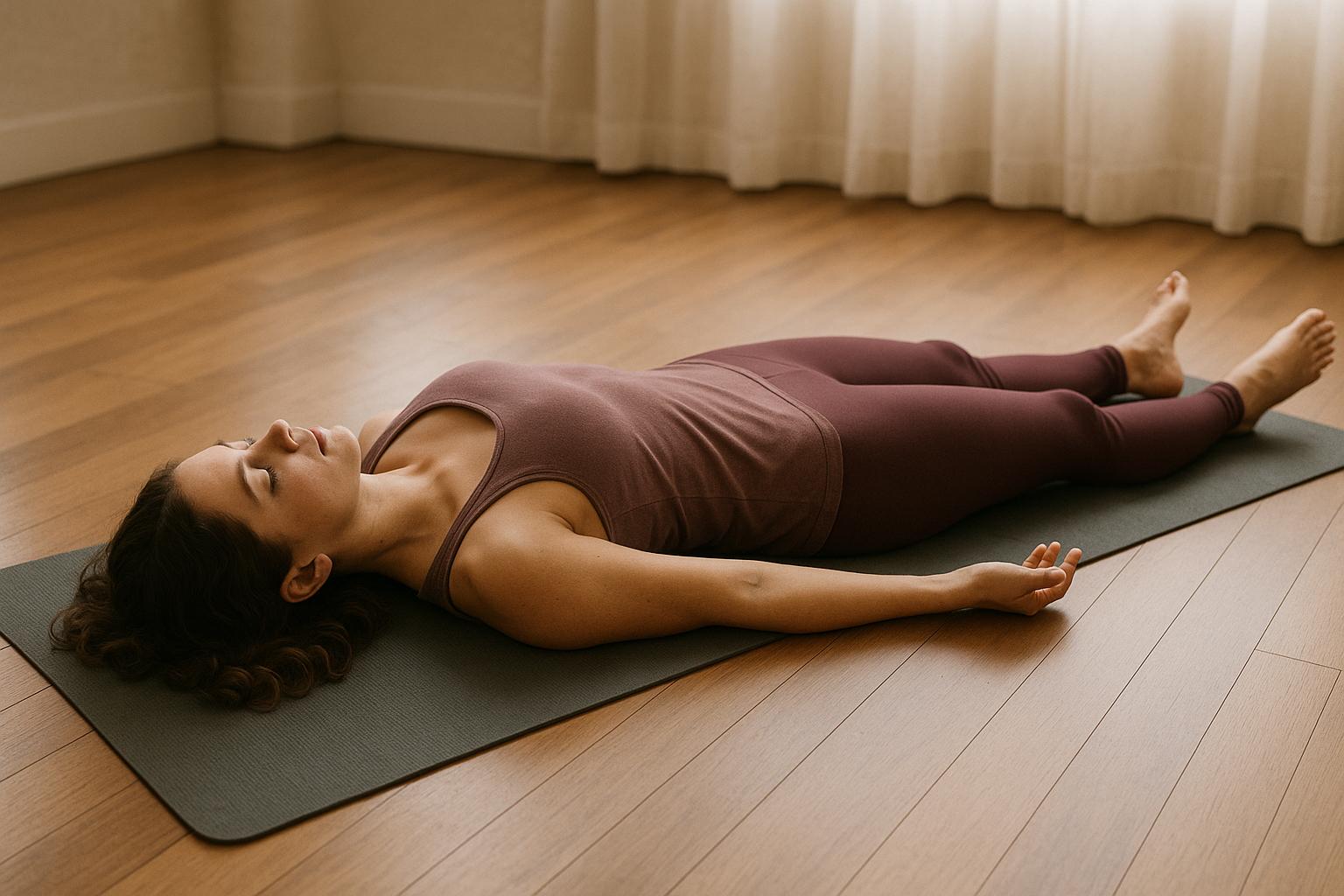
while the mind maintains a gentle awareness. Practised while lying comfortably in Shavasana, it guides attention through the body, breath, sensations and visualisation.
Unlike ordinary sleep, Yoga Nidra encourages a state between wakefulness and sleep, although practitioners may occasionally fall asleep.
1. Benefits of Yoga Nidra
Physical relaxation
Helps release muscular tension, encourages comfortable breathing and supports relaxation after physical activity.
Stress management
May help reduce perceived stress and promote a calmer mental state.
Sleep support
A relaxing bedtime practice may help some people unwind and prepare for sleep. It is not a replacement for treatment of persistent insomnia.
Mindfulness and self-awareness
Develops awareness of bodily sensations, thoughts and emotions without immediately reacting to them.
2. Preparation for Yoga Nidra
- Duration: 15–30 minutes for a regular practice.
- Position: Lie on your back in Shavasana.
- Environment: Choose a quiet, comfortably warm room with dim lighting.
- Props: Use a folded blanket under the head, a bolster under the knees and a light blanket over the body if needed.
- Timing: Practise after yoga asanas or before bedtime.
Avoid practising while driving or doing anything that requires alertness.
3. Important precautions
- Do not force yourself to stay awake; falling asleep can happen, especially when tired.
- If lying flat aggravates back discomfort, support the knees or practise in a comfortable reclined position.
- If focusing inward brings up distressing memories, anxiety or discomfort, open your eyes, orient yourself to the room and stop if needed.
- Yoga Nidra is a complementary relaxation practice, not a substitute for professional care for significant sleep, anxiety or mental health difficulties.